L'ÉCOLE, School of Jewelry Arts in Hong Kong is temporarily closed and will reopen in end of November as the campus undergoes renovation works.
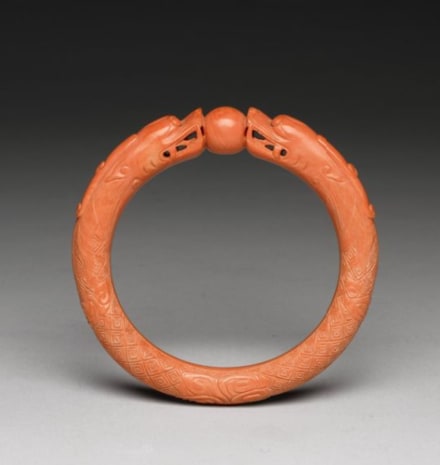
Precious Coral has been widely used in Ancient China since at least the Han dynasty (206 BC–AD 220), predominantly imported via the Silk Road during this early period. Rare, mysterious and not native to inland regions, the material was highly coveted and associated with wealth, status, longevity, as well as one of the Seven Treasures of Buddhism. Tang dynasty (618–907) poet Wei Yingwu (737–792), in his Ode to Coral, proclaimed that it “grows on the summit of Penglai”, the legendary land of the immortals. Precious red coral was appreciated in particular for its auspicious color—connected to life, prosperity, and one of the five traditional elements, fire.
Both its extraordinary beauty and the remarkable meanings assigned to it has made coral a popular choice of material for jewelry and art objects in China for millennia. This conversation explores the emblematic significance of precious coral in Ancient China.
Delve into its history as a traditional protective device, its usage by the imperial court as wearable status symbols, and the creative ways in which it was employed for the ultimate expression of luxury, artistic value and self-cultivation.