L’ÉCOLE, School of Jewelry Arts at the Festival of Art History 2026

From June 5 to 7, 2026, L’ÉCOLE, School of Jewelry Arts is renewing its participation in the Festival of Art History in Fontainebleau, the annual event to discover the richness and dynamism of art history.

The National Institute for Art History (INHA) and the Château de Fontainebleau, under the auspices of the Ministry of Culture, invite you to the 15th edition of the Festival of Art History, taking place from June 5 to 7, 2026. 

This edition's theme is "Fashion", with Morocco as the guest country

The festival provides a unique opportunity for encounters and is an important moment for international exchanges between art historians, heritage professionals and art lovers. It offers a wide variety of events: conferences, round tables, film screenings, exhibitions, a book fair, student and professional meetings, visits of the chateau and grounds, workshops for children, and concerts.

Faithful to its mission of sharing jewelry culture with as many people as possible, L'ÉCOLE, School of Jewelry Arts is pleased to participate again this year in the program of this festival, which encourages cultural openness. L'ÉCOLE will be present through a dedicated guided tour within the Imperial Family Portrait Gallery, and will present the publication Stage jewels of the Comédie-Française.

Free and open to all, the Festival of Art History is a public event.
For more information, please visit the festival website.
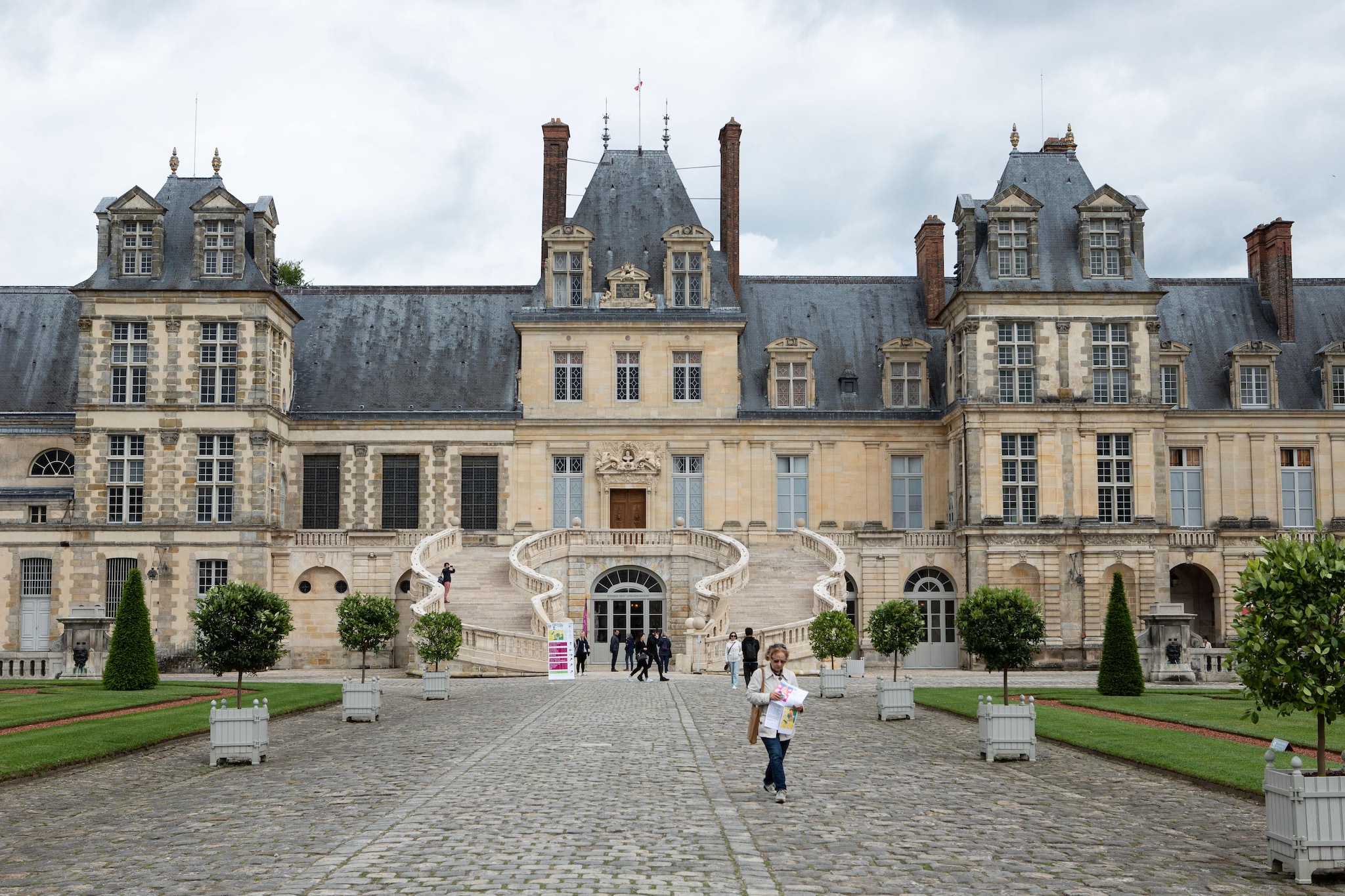
Château de Fontainebleau

Château de Fontainebleau © Pauline de Courrèges


Book cover and inside view

Stage jewels of the Comédie-Française

Friday, June 5th at 5 p.m.
In French

The book Stage jewels of the Comédie-Française will be presented by Emmanuelle Amiot (PhD in Art History, Researcher at L'ÉCOLE, School of Jewelry Arts) and Annaëlle Gobinet-Choukroun (PhD in Art History).

Gerard painting, detail. Focus on Hortense de Beauharnais's face. She wears jewels like a tiara.

Rank, Attire and Fashion - The dress and the tiara make the princess

Sunday, June 7th at 3:30 p.m.
In French

Upon exiting the temporarily egalitarian Revolution, Bonaparte, transformed into Napoleon, opted for a monarchical form and court etiquette. Clothing served to identify political functions, and the dress indicated the rank held. It was appropriate to express one's rank through attire and adornment: the dress and the tiara make the princess.
Guided tour with Christophe Beyeler (Heritage Curator, Château de Fontainebleau) and Florent Guérif (Jeweler and Art Historian).